
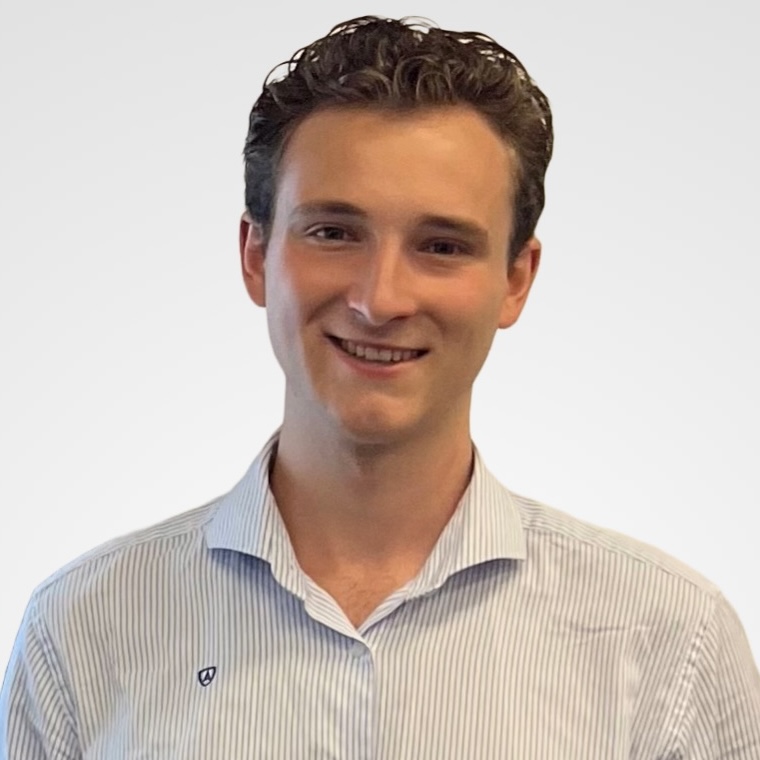
Today’s blog post features an interview with Marissa Zampino, a climate organizer with Mystic River Watershed Association. This interview aims to highlight why climate activists like Marissa stand in support of a climate superfund in Massachusetts and how the broader conservation movement plays a key role in supporting the Make Polluters Pay campaign.
– Olivier Bradley, Better Future Project, Communications Fellow
Name: Marissa Zampino
Town: Boston, MA
Node / Working Group(s) / Other Civic Involvements: Mystic River Watershed Association (MyRWA)
Since when have you been involved? MyRWA since 2022, climate work since 2019!
Olivier: Who are you and what is your story? Why and how did you get involved in this work?
My name is Marissa, I use she/they pronouns. I work as the climate organizing manager at the Mystic River Watershed Association. I grew up in Southern Jersey and went to school in the South. I never took an environmental science class . . . I thought all my environmental science friends were hippies!
Olivier: Where did you go to school, and what did you study?
I went to Emory and studied history and Spanish. I did a lot of community work and was pretty involved on campus. Studying arts and humanities really gave me good critical thinking skills and the ability to read and digest things. In Massachusetts environmentalism especially, you’ve got folks who are very smart and highly trained, but who’ve maybe never taken a community class here in their entire life. After graduating, I did an AmeriCorps year. I didn’t love it—direct service isn’t fantastic. It’s great, but it's not solving anything. So when the pandemic hit, I started looking for jobs that I could actually do more systemic change in. I worked for MassPIRG for a couple of years, organizing around elections and renewable energy. Helping students get involved in the civic process really motivated me to continue what I was doing, and the renewable energy work we ended up doing allowed me to start touching my toes in environmentalism. I grew disillusioned with MassPIRG in a variety of ways over time, though, and a pivotal moment happened when I was canvassing in Northampton—a woman was, like, “This is great. I'm gonna give you $100. You don't have to go through your whole entire canvassing spiel.” I was like, “Thank God.” But then she said “You know, you could be doing more now, because you're talking about climate change as if it's not here.” I realized she was totally right. I decided that I wanted to do something more local that was more reflective of the communities that I relate to and more directly addressing problems in people’s lives right now.
In Western Mass, it's drought and flooding, in Greater Boston, it’s flooding and heat. So eventually I found my way to the Mystic River Watershed Association, where I do work really, mainly in Chelsea, Everett, Malden, Charlestown, and some other communities—just mainly connecting folks through the watershed and focusing on extreme heat and issues of flooding, trying to connect folks that maybe have not been traditionally connected to environmentalism to the watershed and where they live and getting them involved in local decision making processes.
Olivier: What does your work involve now with MyRWA?
Marissa: So, the Mystic River Watershed Association, or MyRWA for short, works to protect and restore the Mystic River along with the Charles River Watershed Association, Neponset [River Watershed Association], and a bevy of other environmental organizations came out of the 1970s Clean Water Act. We work not only to clean up the harbor and the rivers, but also to ensure a clean, healthy, and just environment for all the folks living within our watershed. Our work spans from traditional water quality work—we have a really expansive water quality program—to environmental restoration and stewardship, to education—we have a really robust education program where we'll go to schools and teach kids about where they live and the river that's in their backyard. Our climate work, which includes our greenways program, is trying to connect 25 miles of parks and paths around the river. For climate, we focus a lot on flooding and heat, so I educate people about extreme heat, help them figure out solutions for extreme heat, and support them in connecting to the relevant municipal officials to push for simple changes, whether that's more trees, water fountains, or shade structures. It’s also about giving folks power and access to environmental decision making.
Olivier: Why does the climate change superfund act matter to you personally, and why would you say it matters to conservation more broadly?
Marissa: With a lot of the work we do in terms of climate resilience or climate safety, we're just trying to change the built environment because our climate has changed. It's expensive as shit! A great example that I always use is, for maybe the past three years, we’ve been trying to put in a really simple shade structure in a park in Malden which would make a huge difference. It’s honestly not that hard to get a grant for the like thirty or forty thousand it would cost, but the project scope quadrupled in price when we started. You have to make sure these structures are hurricane proof, and when we started digging, we discovered so much contamination from trash incineration from a variety of factories that used to be along the Malden River—polluters from maybe eight years ago. With costs ballooning, our shade structure project has been in limbo because we can't fund it. And this is like a super simple climate solution.
For conservation, it matters because these projects—especially when you're working in environmental justice communities who have been overburdened by environmental pollution and don't have access to clean and healthy environments—can help close resource gaps to match the funds available in wealthier, more resource-established towns. For example, if I tried to put this shade structure in Arlington, we would’ve been fine, but trying to put it in Malden isn't possible anymore unless we have that extra $100,000, and people in Malden shouldn't have to pay for that. There are a lot of great state grants through the Municipal Vulnerability Preparedness program, and there used to be a lot of great federal grants . . . now there aren’t. And so, who should pay for it? The original polluter should be paying for that. It shouldn't be on me, and the wonderful sustainability person at Malden, to try to scramble up funds from, like, a billionaire’s private foundation. We should just really be easily able to tap into, okay, who actually caused this issue, and can we just get them to pay for this thing?
Olivier: Yeah. Yeah, and in this case, it's like, well, it's not just the companies who made it more expensive, but in the polluted pay context, it's like the companies who made it necessary. I didn't realize that it would cost that much. Is this like a little gazebo, or…?
Marissa: Yeah, yeah. And you'll see them popping up in other areas, like the shade sales, they're like little gazebos. They really are low-hanging fruit, but you can't get it done around the Mystic River because it used to be a very industrial river. You had Monsanto; you had GE; you had Converse; you had a peaker plant at one point, which is now shut down; but, they’ve just led to so much contamination literally below our feet, and it comes back to haunt us when we start digging.
Olivier: Do you know any of the history or background of MyRWA?
Marissa: Yeah, so around the Clean Water Act in the 1970s, Tufts scientists came together and were like, ‘We should do something.’ After that it was really volunteer and community volunteer led I think through like the 80s and like 90s, then we started to become more of an established operation with full-time staff in the '90s and 2000s.
What has been effective in engaging more people on this issue? That could mean at various community events that you folks hold or just in your own personal life. What has worked?
I think the biggest thing is, number one, we do a pretty good job of establishing basic relationships and basic trust. A lot of the time, you'll see me and some of my coworkers just going to other people's events, not to talk about MyRWA, not to talk about climate, but just to learn. It's just to get to know your neighbor, to be in your community, and vibe out, and get to know people. You volunteer, but you also just start doing things with folks, and laying that foundation and getting to know people has been really, really effective. And then when we actually start engaging folks, oftentimes, we'll hire trusted residents or other community organizations to partner with us and do this work, which usually actually are not environmentally-focused. They're social service organizations, cultural organizations, and such. At events we always try to make sure that people's basic needs are met first. So it's, like, are we gonna have enough food for folks? Is it gonna be in the language that they need it to be in? Are we gonna have a childcare option? Where are we gonna host it where it's most accessible, and if it's not accessible, can we pay for transportation to this event? The primary objective of the event is less so the climate or environmental issue, but more so getting together and having a meal; having a petting zoo; then, because I've lured you here with my charm and my petting view of guinea pigs, you can now talk to me about this thing.
Olivier: That's a great approach. I think it's really important to make events accessible, to not just think about event content but also the event itself.
Marissa: Which is tough, it’s really hard. And unfortunately, oftentimes that does involve funding and a budget, because you're thinking about potentially renting a venue, making sure there's enough food, having those translators, having a lot. It does sometimes end up costing a lot, but it's worth it. The way I like to think about it is: “Okay, if I'm paying my architectural or engineering consultant this amount of money, then I should have that match in my community engagement fund.” You know?
Olivier: Is there anything else that you feel is worth mentioning that we haven't talked about already relating to the work you're doing? Any things that are going well? Any challenges? Any things you'd like to see in the future?
Marissa: I think one thing that is going well is that even though a lot of things are quite terrible right now, we've built some really great community, and people still want to be involved and active in the work. Every time I'm at a community event, I'm like, “Okay, cool, this is really good and people still really care about this issue.” I think things that we can be doing better at—and I often obviously look to you guys sometimes for this too—is like connecting these issues to the affordability crisis and to the housing crisis, because they are all connected and sometimes it's hard to articulate that and get people to see. That is especially hard when folks are living paycheck to paycheck and your immediate concerns come first. I was just talking to my coworker about how it's tough to talk about heat right now, or even in the summertime, like hopefully SNAP benefits are back. Right now people can't eat. So, who am I to say, “Oh, no, I really want you to come to this thing about air quality. This should be an important issue for you.” to someone who doesn’t know if they can make rent next month. That's a new challenge for sure because it is really important. Another big challenge is funding: the federal government is no more. The example in Malden is a great example where you think that you're solving this issue and you're gonna be able to put water fountains all along this bike path in Malden, but then you realize that not only is there contamination, but you also have to contend with National Grid gas lines, and also property owners . . . it all boils down to a lot of money and negotiating involved, more so in these environmental justice communities compared to communities that are not considered environmental justice communities. I think some people just don't understand that because they'll give money and be like, “You can fix this problem.” It's like, “No, we have to fix like 50 years of problems before we can fix this one problem here.”
Olivier: And I'm sure a lot of them are just kind of like, unless you're in that context, it's probably hard to see and know those different relationships and dependencies.
Marissa: Yeah, and it's deeply frustrating for residents and for municipal workers because they want to do the best job and they hear what their communities are telling them and their hands are often tied.
Olivier: I hear you on interconnectedness. I agree that you don't want to come across as tone deaf or anything; but at the same time, if we're only focused on putting out fires, then we're not addressing the source of the fires.
Marissa: Yeah.
Olivier: I've been talking to so many people about this. In the same way that a lot of issues are interconnected by their root causes, if we only address the symptoms of the issues and we split up on those, then we're not coming together to have the strong communities and coalitions that will allow us to exercise the people power necessary to address the actual underlying problems causing a lot of these issues—mainly that there is really uneven power in our country. And that's why groceries cost so much, and that's why a lot of these systemic injustices are happening.
Marissa: Yep.
Olivier: Thanks for doing this!
Marissa: Thank you!
Note: This interview has been lightly edited for clarity.